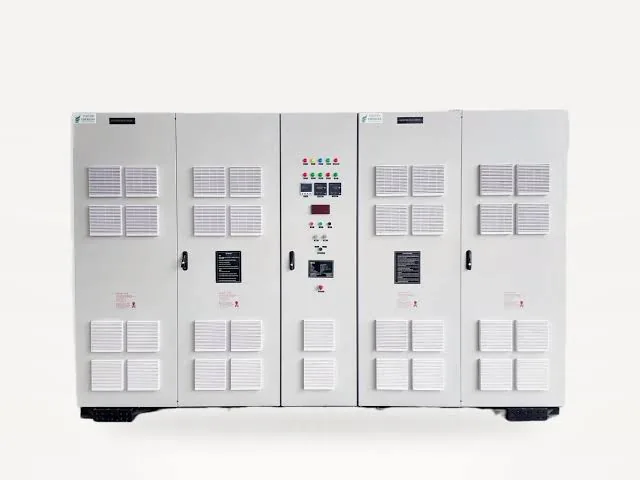
Energy Storage System (ESS) in Gurgaon
Battery energy storage system (BESS) in Gurgaon for factories, warehouses, hospitals and campuses, sized from a load study and supplied with UTL LiFePO4 batteries.
Inquiry for Energy Storage (ESS)
Technical Specifications
- ChemistryLiFePO4 (LFP)
- UTL Battery Range96V 9.6 kWh, 120V 12 kWh, 240V 24 kWh
- Cycle Life3,500+ cycles (96V, 120V); 4,000+ cycles (240V)
- Battery Warranty5 years manufacturer warranty
- CommunicationCAN / RS485 (120V); CAN 2.0B / Modbus TCP (240V)
- Sizing BasisLoad study in kW and kWh
- SupplyUTL batteries on order, lead time confirmed at quote
- VendorMNRE-registered (MNRE/HR/GUR/2024/082)
Why Choose Our Energy Storage (ESS)?
Battery energy storage system (BESS) in Gurgaon for factories, warehouses, hospitals and campuses, sized from a load study and supplied with UTL LiFePO4 batteries.
Sized From a Load Study
We size power in kW and energy in kWh from your real load data, not from a catalogue.
UTL High-Voltage LiFePO4
We supply UTL high-voltage LiFePO4 packs of 9.6 kWh, 12 kWh and 24 kWh, with a 5-year manufacturer warranty.
Diesel Generator Hour Cut
Stored energy can carry loads that a diesel generator would otherwise run, so the generator runs fewer hours.
Critical Load Backup
Servers, medical equipment, process controls and lighting stay on through a grid failure.
Solar Plus Storage
Daytime solar can be saved and used in the evening shift instead of being exported or wasted.
Monitoring and Service
Battery data is read through the BMS and the inverter, and our engineers handle service calls after handover.
Get a Detailed Engineering Audit
Our engineers will visit your site, check shadows, roof or structure and load, and give you a written quote. The survey is free and carries no obligation.
Book My Free AuditEnergy storage system (ESS) in Gurgaon for industry and business
An energy storage system (ESS) in Gurgaon is a battery plant that stores electricity and gives it back when your site needs it. It is also called a battery energy storage system, or BESS. This page is for factories, warehouses, hospitals, campuses and data rooms. If you want a battery for a home, read our page on home solar battery storage instead.
The idea is simple. The battery charges when power is cheap, free or in surplus, such as midday solar. It discharges when the grid fails, when the generator would otherwise start, or when your demand is at its highest. Voltmen Solar supplies UTL batteries, designs the system around your loads and installs it with our own engineers.
Looking for a home battery? Home solar battery storage.
Parts of a battery energy storage system (BESS) in Gurgaon
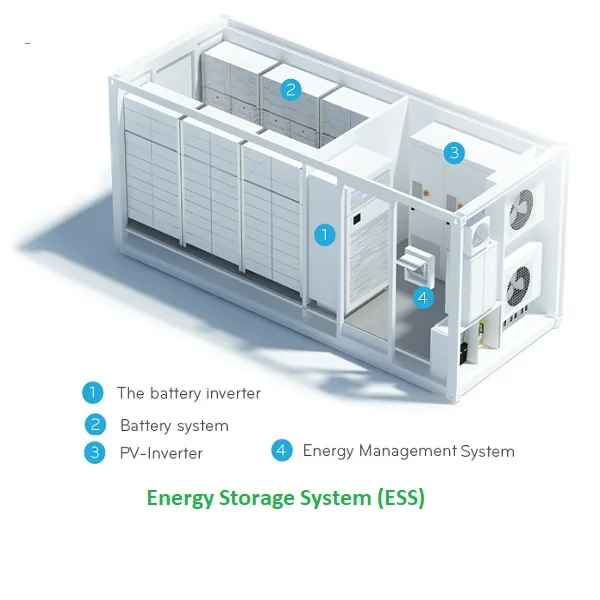
Every industrial ESS is built from the same few blocks. The size of each block changes with your load, but the jobs stay the same.
| Part | Job |
|---|---|
| Battery racks or cabinets | Hold the LiFePO4 cells in modules, so capacity can be added by adding units |
| BMS (battery management system) | Watches cell voltage, current and temperature, balances cells and cuts off unsafe operation |
| PCS or hybrid inverter | Converts DC to AC and AC to DC, so the battery can charge and deliver power |
| EMS (energy management system) | Decides when to charge or discharge, based on your settings, solar and load |
| Protection and switchgear | Fuses, breakers, isolators and surge protection that clear faults and allow safe maintenance |
| Enclosure | Houses the equipment, keeps dust and heat in check and gives safe access for service |
Large systems are often built as a containerised unit, where the battery, inverter, solar inverter and EMS sit in one enclosure. Smaller sites use indoor cabinets in a plant room. The parts are the same either way, so the choice depends on your space and the size of the load.
What an industrial energy storage system is used for
A good ESS does one or two jobs well. It is better to pick the jobs first and size the battery for them than to buy the biggest unit you can afford. Each job needs a different mix of kW and kWh, so the list below also decides the design.
- Cutting diesel generator hours: the battery carries the loads the generator would run, so it starts less often and burns less diesel.
- Backup for critical loads: servers, medical equipment, process controls and emergency lighting keep running when the grid fails.
- Storing daytime solar for evening shifts: surplus midday generation is saved instead of being exported or wasted.
- Peak demand management: the battery supplies part of your load at peak times, so the maximum demand drawn from the grid is lower. How much you gain depends on your tariff and demand pattern, which we check in the load study.
- Smoother power for sensitive equipment: the battery and inverter can ride through short dips.
- Better use of an existing solar plant: energy that would be cut or exported at noon can be held for the hours after sunset.
How an ESS is sized in kW and kWh
Two numbers define an ESS. The kW rating is how much power it can deliver at one moment. The kWh rating is how long it can keep delivering. A plant with a large short load needs more kW. A plant that wants to run for hours needs more kWh.
We size it in four steps. First, we list the loads you want on the battery and their running power. Second, we read your demand pattern from bills and meter data. Third, we decide how many hours of backup or shifting you want. Fourth, we add margin for usable depth of discharge, inverter losses and future growth.
Example only, not a quote: a site wants to back up a 20 kW critical load for 2 hours. That is 40 kWh of energy. If the battery is used to 90% depth of discharge and the inverter loses a little, you need a nominal battery of roughly 45 to 50 kWh and a PCS of at least 20 kW, plus a margin. Your real figure depends on your loads, which is why we do the study first.
UTL high-voltage LiFePO4 batteries for industrial energy storage
Voltmen is an authorised distributor of UTL. For larger sites we supply three high-voltage LiFePO4 packs. A higher voltage moves the same power at lower current, which means thinner cables and lower cable losses. The figures below are from the product data we hold.
| Model | Energy | Cycle life | Warranty | Communication | Listed inverter fit |
|---|---|---|---|---|---|
| 96V 100Ah | 9.6 kWh | 3,500+ cycles | 5 years | Multi-tier BMS | UTL HYB-8-GXLT2 Pro and HYB-10-GXLT2 three-phase hybrid inverters |
| 120V 100Ah | 12 kWh | 3,500+ cycles | 5 years | CAN / RS485 | UTL HYB-10-GXLT2 three-phase hybrid inverter |
| 240V 100Ah bank | 24 kWh | 4,000+ cycles | 5 years | CAN 2.0B / Modbus TCP | UTL HYB-10-GXLT2 three-phase hybrid inverter |
All three packs are supplied on order. Confirm the lead time when you enquire.
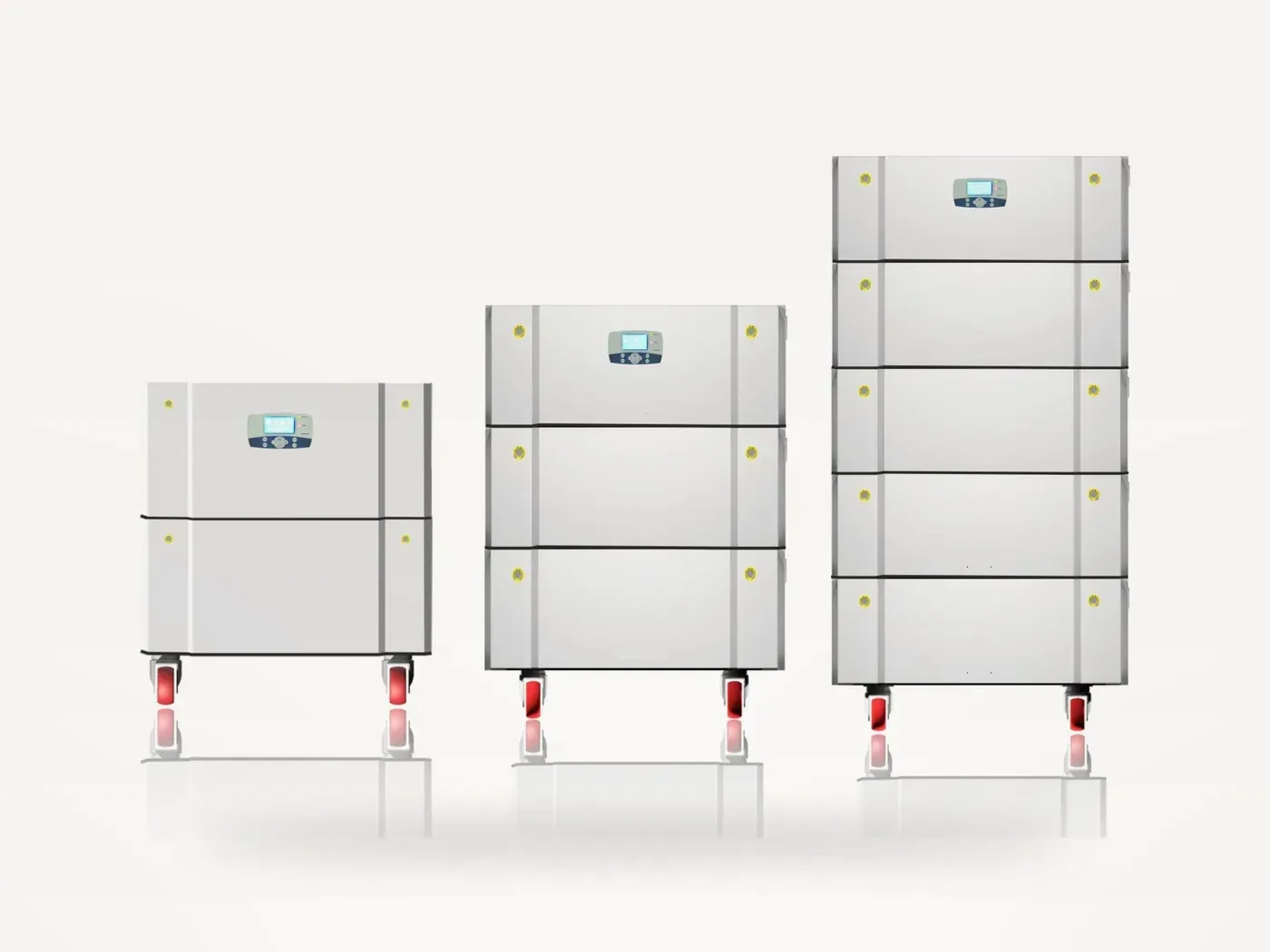
The 96V pack is listed for commercial three-phase set-ups, factories and workshops. The 120V pack is listed for hospitals, diagnostic centres and corporate hubs. The 240V cabinet is a rack with a master controller, listed for industrial plants and microgrid projects.
UTL 96V 100Ah lithium battery price starts from ₹1,89,000 for the battery pack alone. A complete ESS with inverter, protection, cabling and installation is priced after a load study. Larger systems can be built by combining units, which we check at design stage.
LiFePO4 chemistry and battery safety
LiFePO4, also called LFP, is the chemistry used in most stationary storage today. It is chosen for its stable behaviour, long cycle life and low maintenance. It does not need water top-up, unlike tubular lead-acid batteries.
No battery is risk free, so safety comes from design. The BMS limits charge and discharge, balances cells and watches temperature. Fuses and breakers clear faults. The room needs sensible ventilation, spacing and fire safety as per the site and local fire rules. We design these into the layout instead of adding them at the end. Check your insurer and fire officer for any extra requirement.
Solar plus storage or storage alone in Gurugram
You can add storage to a site that already has solar, build both together, or install storage on its own to back up the grid. Each route suits a different case.
| Point | Solar plus storage | Storage alone |
|---|---|---|
| What charges the battery | Solar first, grid as a top-up | The grid only |
| Main benefit | Stores free daytime energy for later use | Backup and peak management from grid power |
| Generator hour cut | Larger, because the battery refills from solar | Limited by how often it can recharge from the grid |
| Inverter | Hybrid inverter or PCS with solar input | PCS or battery inverter |
| Good fit | Sites with a usable roof and daytime load | Sites with no roof space or an existing solar plant |
If your roof is free, solar plus storage is usually the better use of the battery. See our commercial solar page for the solar side.
Site requirements for an ESS: space, cabling, earthing and fire safety
- Space: a flat, load-bearing floor with clear access to the front of every cabinet and room for future modules.
- Ventilation and temperature: batteries and inverters work best in a dry, ventilated, shaded room away from direct heat. Heat shortens battery life.
- Cabling: correctly sized DC and AC cables with proper lugs, labels and routing, kept away from sharp edges and water.
- Earthing and surge protection: a proper earth pit and surge devices, tested before commissioning.
- Fire safety: extinguishers, signage, no stored combustibles nearby and detection as advised by your fire safety consultant.
- Access and approvals: gate access for delivery and any grid-side or local approvals as per the current HERC and DHBVN rules.
Installation, commissioning, maintenance and monitoring
Installation starts only after the design is signed off. Our engineers place the battery and inverter, run and terminate the cables, fit the earthing and protection, and set the charge and discharge limits. Commissioning includes a charge and discharge test, a protection check and a simulated grid failure, so you see the changeover before we hand over.
After handover, a storage system needs light but regular care. We check terminals, cable heat marks, room temperature, filters and fans, BMS alarms and firmware. The BMS and inverter report state of charge, voltage, current and temperature, and the communication ports listed above let those readings feed your plant monitoring. We handle service calls through our Sector 17 office, Monday to Saturday, 9 AM to 8 PM.
Our Process
How It Works
From your first call to a fully commissioned system — here is exactly what to expect.
Load Study
We collect your electricity bills, generator log and a list of critical loads, and record how power demand moves through the day.
Sizing and Design
We fix the kW and kWh needed, choose the battery voltage, the hybrid inverter or PCS, and the cabling and protection.
Quote and Approvals
You get a detailed quote. Any grid-side approvals are applied for as per the current HERC and DHBVN rules.
Installation
Our in-house engineers place the battery, inverter, earthing, cabling and fire safety items. We do not sub-contract.
Commissioning and Testing
We test charge, discharge, protections and a simulated grid failure, and check that the BMS and inverter communicate.
Handover and Monitoring
Your team gets a walkthrough, the monitoring set-up and a service plan for periodic checks.
Questions Answered
Energy Storage System (ESS) in Gurgaon: FAQs
What is an energy storage system (ESS) for a factory?
It is a battery plant with battery racks, a BMS, a PCS or hybrid inverter and an EMS. It stores power and releases it for backup, evening use of solar, fewer generator hours or lower peak demand. We design it from your load study.
Is an ESS the same as a BESS?
Yes. BESS means battery energy storage system, and ESS is the shorter name. Both describe batteries with the power electronics and controls that make them work on a site. Some people say ESS to include other storage types, but here it means batteries.
How do you size an ESS in kW and kWh?
The kW rating is the power the system must deliver at one moment, and kWh is how long it can deliver. We list your loads, read your demand pattern, set the backup or shifting hours, then add margin for depth of discharge and losses.
Can an ESS cut my diesel generator use?
It can reduce generator running hours by carrying the loads the generator would run, for as long as the battery lasts. How much it saves depends on your outage pattern and load, so we check your generator log in the study.
Which UTL batteries do you supply for industry?
We supply UTL LiFePO4 high-voltage packs: 96V 100Ah at 9.6 kWh, 120V 100Ah at 12 kWh and a 240V 100Ah bank at 24 kWh. All carry a 5-year manufacturer warranty and are supplied on order, so we confirm the lead time when you enquire.
How much does an industrial energy storage system cost?
UTL 96V 100Ah lithium battery price starts from ₹1,89,000 for the pack alone. A full system also needs a PCS or hybrid inverter, protection, cabling and installation, so it is priced after a load study.
Is LiFePO4 safe for a factory?
LiFePO4 is the stable chemistry chosen for most stationary storage. Safety still depends on design: a BMS, proper protection, ventilation, spacing and fire safety suited to your site. We plan these with you and you should also consult your fire safety adviser.
Should I add storage to my existing solar plant?
Often yes, if you want evening power or backup. A plain on-grid inverter cannot use a battery, so we check your inverter at survey. Storage can be added through a hybrid inverter or a PCS, depending on your plant.
What space and conditions does an ESS need?
It needs a flat, load-bearing floor, clear access, ventilation, a shaded dry room, proper cabling, earthing and fire safety items. We list the exact space for your size at the load study and design stage.
What maintenance does an energy storage system need?
LiFePO4 batteries need no water top-up. Routine work is checking terminals, cable heat marks, room temperature, fans and BMS alarms, plus firmware updates and a review of monitoring data. Voltmen engineers can handle this after handover.
Related Pages
- Solar battery storageHome batteries and backup, with lithium versus tubular compared.
- Commercial solarRooftop solar for offices, factories and warehouses.
- UTL lithium batteriesThe full UTL LiFePO4 range with specs.
- Hybrid solar invertersInverters that work with solar, battery and grid.
- Lithium battery solutionsLithium options from small packs to large banks.
- Request a load studySend your bills and load list for a sizing.